President's Message 
Emily Guglielmo, SE, PE, F.SEI
2023-2024 SEAOC President
Experts estimate that over 35% of structural engineering tasks could be automated by artificial intelligence (AI) in the United States.
If true, this estimate would place us just behind that predicted for the administrative and legal professions. The impact of AI in our profession would surpass science, business, finance, and sales. A profession historically resistant to change, we find ourselves at a pivotal juncture.
Structural engineering is both susceptible and alluring to the transformative power of AI. Our profession is codified, mathematical, prescriptive, and commands compensation large enough to attract interest beyond our borders. Venture capitalists are pouncing on the opportunities associated with AI in our profession. They are establishing structural engineering companies, using AI to automate designs, and circumventing traditional consulting firms to engage directly with stakeholders.
AI is not simply an impending wave; it is at an inflection point demanding our close attention. The choice before us is clear: a future colored by fear or one illuminated with promise. Amid the risks of job displacement lies a profound opportunity for a symbiotic relationship between AI and human creativity. The potential to swiftly solve complex problems, enhance lives, and forge a force for good is within reach. Achieving these goals requires vision, open-mindedness, and dedication to optimize the use of AI.
We might not recognize it; however, we interact with AI on a regular basis. Personal assistants like Siri, Cortana, and Microsoft's "Co-Pilot" AI facilitate a seamless transition from thoughts to paper. Embracing AI's low-hanging fruit to create a first draft of an email or a report invites us to explore its potential. The use of AI for reports can complete 80% of the effort "for free," allowing for a high-quality finished product and/or significant time savings.
Challenges loom large, including preserving development of engineering principles, quality control, and regulation compliance. Recognizing the potential of AI to perpetuate bias, leveraging diverse data sets, and scrutinizing algorithms for fairness and equity are crucial for responsible AI integration.
While concerns appropriately exist for AI, opportunities abound. AI has the potential to liberate engineers from monotonous tasks, resulting in increased opportunities for innovation and problem-solving. AI will inevitably widen the gap between high-performing and low-performing entities, empowering top talent to tackle significant challenges while lower performers risk being replaced. As we embrace AI, soft skills, such as business development, communication, and relationship-building are even more critical.
As AI inevitably diminishes the significance of portions of our traditional business, it is imperative to proactively explore alternative avenues for value creation, such as de-carbonizing buildings, innovating new systems, or refining project delivery opportunities. We must structure our compensation around value, not hours. Those who move AI closer to the client gain a competitive advantage, while those who ignore or underutilize AI face a race to the bottom.
I admit the path forward is uncertain. However, open-mindedness, willingness to embrace change, and empowerment of our youth can harness AI's potential for good. We stand at a fork in the road – a dystopian future with job loss or a utopia where we are liberated from menial tasks, empowered as problem-solving innovators. The choice is ours.
For the latest insights and opportunities, SEAOC proudly presents a 3-part series on AI in structural engineering. Please sign up today and join us on this transformative journey.
President's Message: July 2024
Emily Guglielmo, SE, PE, F.SEI
2023-2024 SEAOC President
As the president of SEAOC, I have the privilege of attending meetings of each of our four member organizations (Northern, Southern, Central, and San Diego). Attendance at these meetings results in personal inspiration and pride as I observe the collaborative spirit, innovative initiatives, and commitment to excellence at each gathering.
This month, we also honor the outgoing presidents of our member organizations: Wayne Low (SEAONC), Harshda Prasad (SEAOSD), Doug Mayer (SEAOCC), and Craig Chamberlin (SEAOSC). Their leadership and dedication have significantly impacted our California structural engineering community. In celebration of their considerable contributions, I offer you their words of wisdom and reflections on their tenure.
WHAT DO YOU CONSIDER YOUR GREATEST ACCOMPLISHMENT DURING YOUR TENURE AS PRESIDENT?
 Wayne:
My biggest goal was to work to bridge the generations and have more members come back to meetings. I think this was a success as many did come out. I hope to leave behind legacy of inclusion and belonging. That all our members felt welcome, especially when they made the effort to join us.
WHAT WAS THE MOST CHALLENGING ASPECT OF YOUR ROLE, AND HOW DID YOU OVERCOME IT?
 Doug:
Doug:
Ask anyone that knows me, and they can tell you that the President's Message for the monthly newsletter was most challenging for me. Writing doesn't come easy for me, even more so when I try to relate my experiences, subject knowledge, and/or just trying to provide an inspirational message. As to how I overcame this challenge? Just like most other things I have to do in my life: perseverance and a deadline. I also did my best to remind myself to keep the message grounded and personal, hoping others would be able to relate to my experience.
Wayne:
Most challenging was the constant demands from the association, where you really never felt like you had some time off. The key was surrounding myself with wonderful people who could step in on key tasks to allow me to focus on what was important, including colleagues and family.
CAN YOU SHARE A MEMORABLE MOMENT OR EVENT FROM YOUR PRESIDENCY THAT STANDS OUT TO YOU?
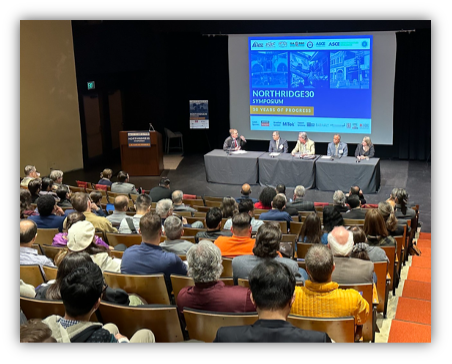
 Craig:
Our Northridge Symposium in January was one of significant events of the year for SEAOSC. It was great to see the engagement from our membership and community. The earthquake was a major impact on our society that day and we continue to see significant changes in how we design and retrofit based on lessons learned from that event.
Wayne:
Probably the most striking was the WISE association meeting. Amazing to look out and see the amazing women and to reflect on how far the association has come.

HOW DO YOU THINK YOUR MO HAS EVOLVED DURING YOUR PRESIDENCY?
Wayne:
The year was punctuated with a challenging financial outlook and the association pulled together to be lean, frugal, yet we did not have to sacrifice those items we held dear. The support from our sponsors helped us to survive.
WHAT INITIATIVES OR PROGRAMS INTRODUCED DURING YOUR TERM DO YOU BELIEVE WILL HAVE A LASTING IMPACT?
Craig:
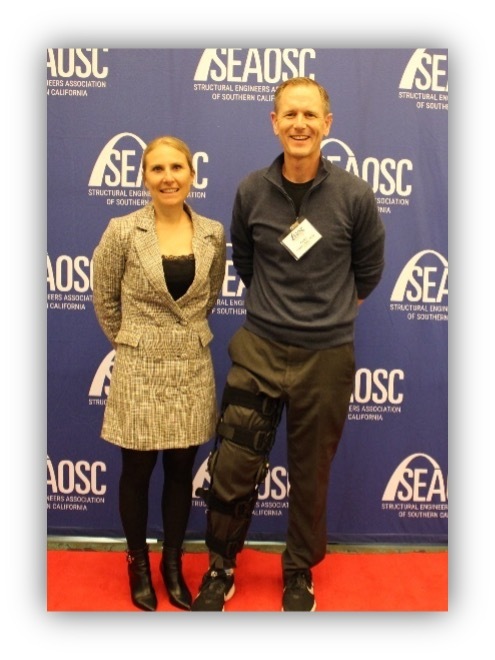
We introduced a committee stipend program for leadership and development of papers for the annual convention. The program gives back to our leadership while also encouraging future generations of leaders to get involved!
 Harshda:
I started having quarterly committee chair meetings by grouping committees that shared some synergy instead of just meeting with each chair individually. This fostered cross-collaborations between committees and reduced some programs that each committee was trying to run on their own. This has led to committees working together and creating bigger and better initiatives with likely more impactful outcomes. For example, instead of YMF, SE3 and WiSE running their own mentorship programs…we will now have a combined mentorship program with access to a wider range of mentors.
Doug:
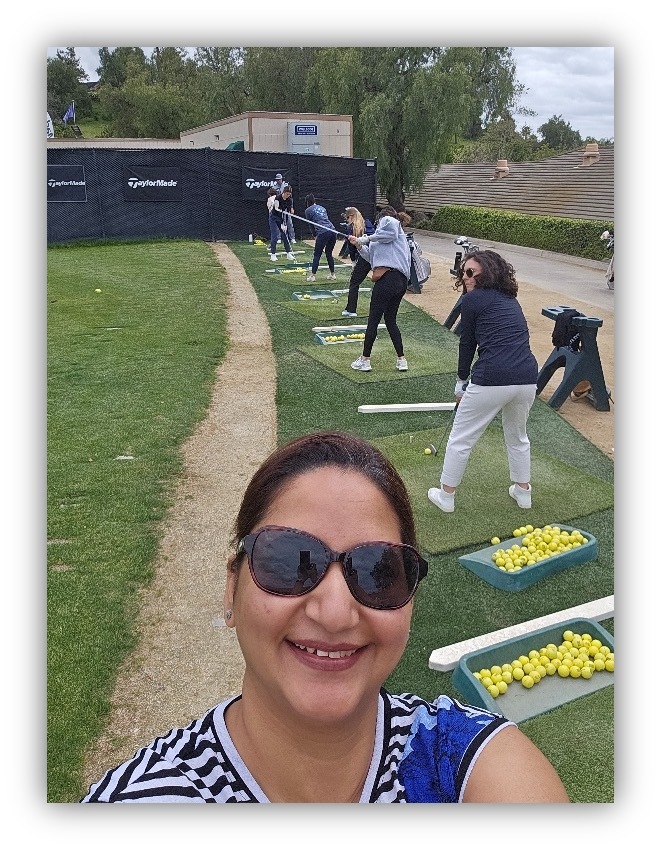
One of our primary initiatives was outreach. We began a new relationship with Sacramento Regional Builders Exchange (SRBX)/Construction Industry Education Foundation (CIEF) as a new partner on their annual Women in Construction Conference. This partnership allows SEAOCC to bring structural engineering content to a whole new potential audience.
Wayne:
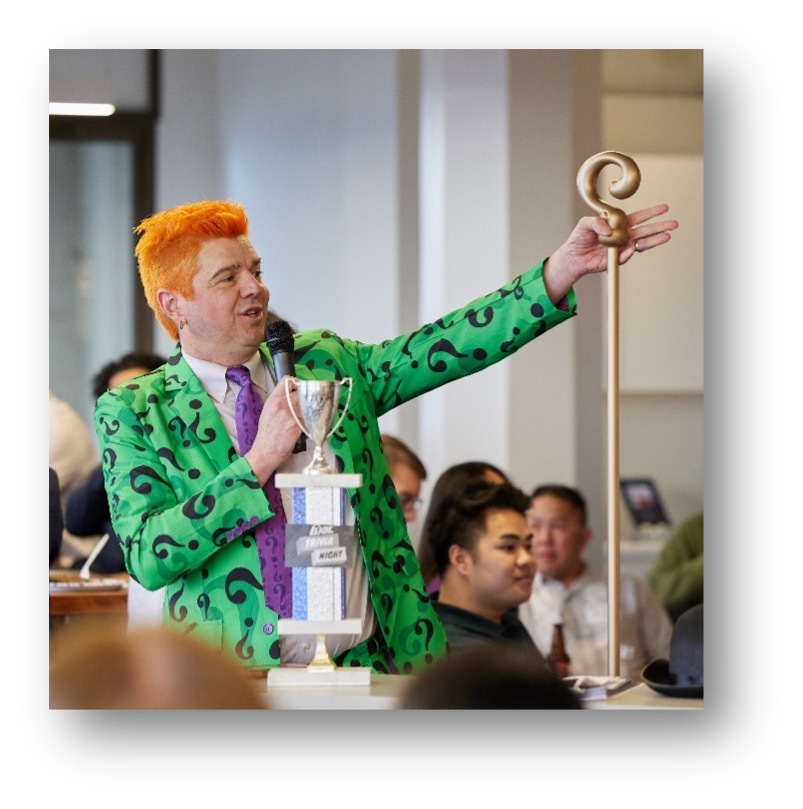
I think two items. One was the concerted outreach to students at all bay area universities, which I hope will pay well to when they become full members. The second was the fun we had at the Trivia night. It was truly electric to bring all the members together for some fun.
IN WHAT WAYS HAS YOUR MO CONTRIBUTED TO THE BROADER GOALS OF SEAOC?
Wayne:
I believe we followed SEAOCs key principles in working together for seismic resilience, as we collaborated with SPUR on resilient housing and ATC on the Non-Ductile concrete provisions. Our committees focus on examining new provision and educating members will be remembered for the future.
WHAT MOTIVATED YOU TO TAKE ON THE ROLE OF PRESIDENT, AND HOW HAS THE EXPERIENCE SHAPED YOU PROFESSIONALLY AND PERSONALLY?
Harshda:
I have always been connected to professional societies and to take up a leadership role sort of felt like a natural extension. I have always believed in stepping up and helping out and giving back to the community. I have made wonderful friendships through my experience with people that can relate to the on-going ups and downs of our very challenging profession. I also learned to be more empathetic and patient with views and thought processes that might not entirely match my own. Working with people with different perspectives with the same goal as me was very rewarding. The insight into the wider structural community through SEAOC and NCSEA has been very eye opening to the depth of possibilities that still remain untapped.
Doug:
Honestly, I was honored to be asked. I don't often see in myself the things others may see, particularly the skills to lead a venerable organization such as SEAOCC. As the year progressed, I found myself believing I do have the capability particularly due to all I was learning from my interactions with other MO leaders and the SEAOC board.
Wayne:
I first got involved with SEAONC in 1994 and always found it an amazing group that went from colleagues and friends. It was a honor to represent such a wonderful group of people. It was like being with family.
WHO OR WHAT HAS BEEN YOUR BIGGEST SOURCE OF SUPPORT AND INSPIRATION DURING YOUR PRESIDENCY?
Harshda:
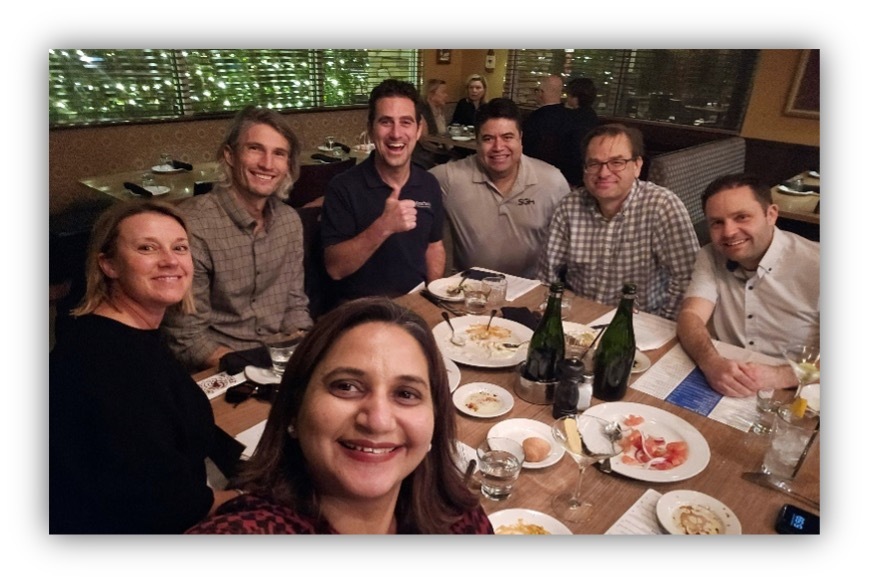
I was blessed to have a very supportive board who all aimed at making the organization better. Past President Chad as well as Vice President Steve Kerr were instrumental in keeping things on track. I also had a number of past presidents reach out and lend their support.
Doug:
The board of directors. I was always so humbled by their consistent support and patience, listening to me blather on at times, and contributing to the necessary discussions to find the best past forward. They were always willing to step up and help when needed. I am forever grateful to them for helping make my tenure as president successful and enjoyable.
Wayne:
First and foremost was my wife who supported me to allow me to take this on. Second is Degenkolb who stressed the importance and supported me when I wanted to take on the presidency and the three-year commitment.
WHAT DO YOU SEE AS THE BIGGEST CHALLENGES AND OPPORTUNITIES FACING THE STRUCTURAL ENGINEERING PROFESSION IN THE NEXT FIVE YEARS?
Harshda:
Retaining the talent pool of engineers in the profession continues to be challenging. I am excited about the possibilities that AI can bring to the profession.
Wayne:
Challenges and opportunities are tied to AI. It is both the tool that can replace some of our work and the tool that will allow us to accomplish more. For young engineers, they should focus on developing more programing skills, better communication, and common sense to know when something isn’t right.
HOW CAN SEAOC AND ITS MOS BETTER SUPPORT YOUNG ENGINEERS ENTERING THE FIELD?
Harshda:
A wider “pathways” program that continues throughout the year will be beneficial. Engaging the young engineers in MO activities from early on in their careers and giving them the breathing room to initiate new programs will allow to keep them engaged.
Doug:
More and less costly access to professional development, including attending the convention. Constant outreach by more experienced engineers; suggest a committee they may find interesting, invite them to a dinner meeting or some other technical or social event. Encourage involvement and provide the means for them to take advantage of the opportunity.
Wayne:
I think we need to do more personal outreach. The drop in membership tells me that we are not reaching who we think we are and many still don’t see the value. I also believe that SEAOC could reach out to firm leaders to do the same. It is not unreasonable to say that support for SEAOC comes from the top and trickles down.
WHAT ADVICE WOULD YOU GIVE TO THE INCOMING PRESIDENT?
 Harshda:
Keep your ears and mind open to advice from everyone. But there is no need to follow all of it. Do what ultimately makes sense to you.
Doug:
Don't put off to tomorrow what can be done today. Reach out and talk to the membership and volunteers, especially committee chairs. Emails are fine, but it is amazing what a 15-minute talk can accomplish.
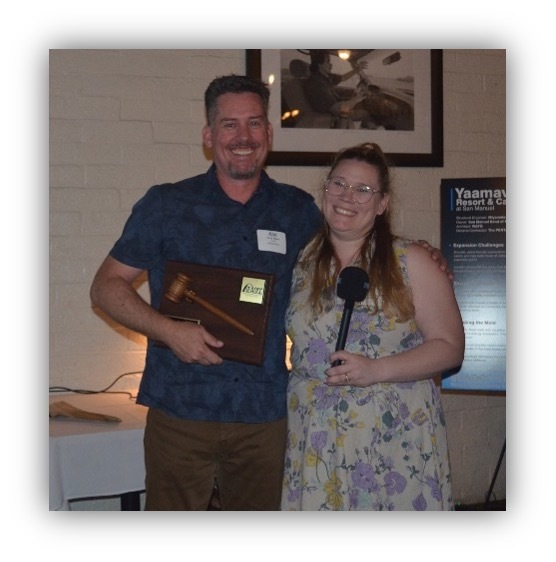
Wayne:
Don’t feel like you must do it all. Surround yourself with great people, support them and trust they will execute.
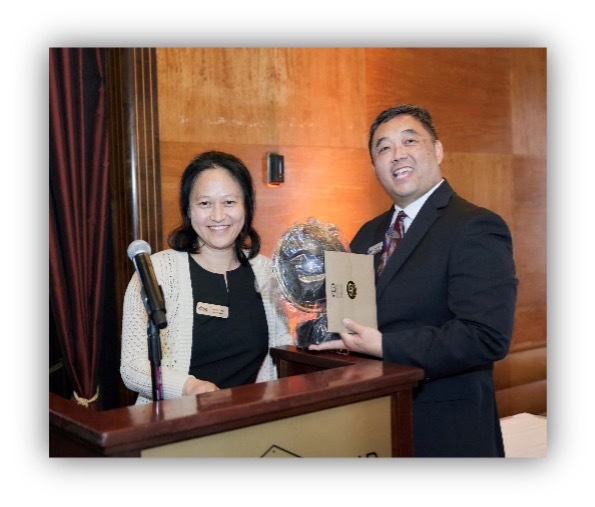
WHAT KEY LESSONS HAVE YOU LEARNED DURING YOUR PRESIDENCY THAT YOU WOULD LIKE TO SHARE WITH OTHER SEAOC MEMBERS?
Harshda:
It is better to be reflective rather than reactive.
 Doug:
Doug:
You can't do it all, as much as you may want to and as much as you feel you have to. Slow down, focus, and lean on your community.
 Wayne:
SEAOC is an amazing group with amazing people. It is one of those things that until it is gone, you may not realize how much the group does to support structural engineers. Get involved and make SEAOC stronger and better.
CAN YOU SHARE AN EXAMPLE OF A SUCCESSFUL COLLABORATION OR PARTNERSHIP THAT TOOK PLACE DURING YOUR TENURE?
Craig:
Our MO has had a strong relationship with both LADBS as well as AIA-LA, but with adaptive reuse such a hot topic, our collaboration has reached another level. We closely aligned our EBC committee with the highest levels of our building department while also co-hosting several events with AIA-LA. These connections further strengthened our partnerships and help to push updates to adaptive reuse ordinances soon.
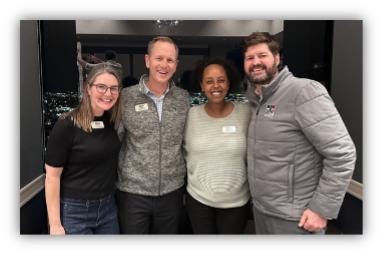
Wayne:
The SPUR event was a great example. We co-hosted with SPUR, ATC, and EERI, spending months on the planning. The event brought over 70 people from City Building departments (from all over the bay area) together to focus on both the challenges in creating affordable house, which still maintaining the safety of the building occupants during an earthquake. There were many connections, and many ideas shared that night.
WHAT ARE YOUR HOPES FOR THE FUTURE OF YOUR MO?
Doug:
That we stay relevant. There is a plethora of professional groups out there and everyone seems to have so little time. So, when engineers choose to be part of our organization it is imperative that we make it worthwhile. We must constantly remind ourselves that the organization can best serve the membership and the engineering community by providing the framework for everyone to pursue their passion.
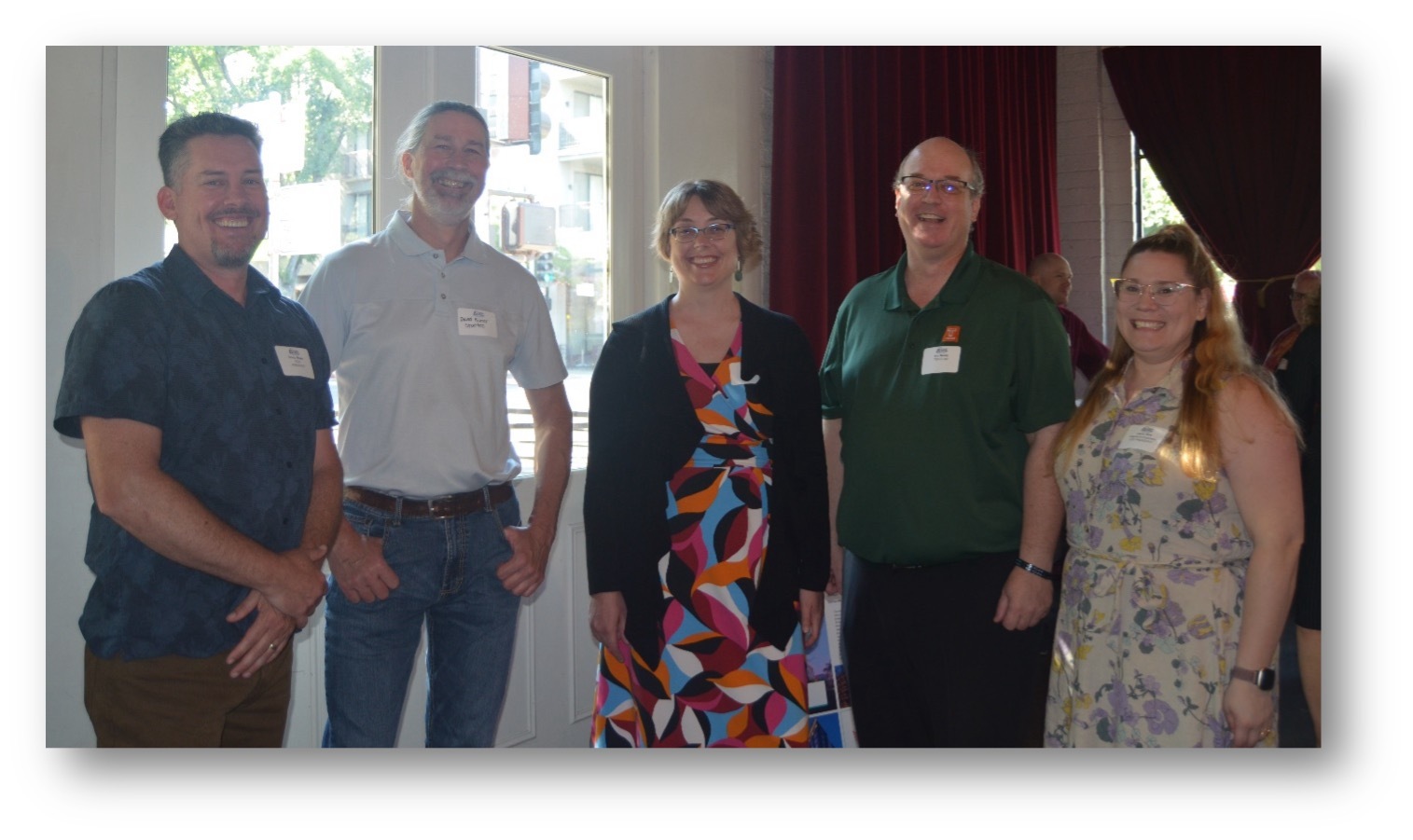
Wayne:
That it remains stable, and the membership grows and strengthens. I think we are still the biggest MO, but we lost many members during the pandemic who decided to not renew.
HOW DO YOU PLAN TO STAY INVOLVED WITH YOUR MO, SEAOC, AND THE STRUCTURAL ENGINEERING COMMUNITY AFTER YOUR TERM ENDS?
Doug:
I learned so much during my term. About the organization, about being president, about myself. I'm dedicated to taking what I have learned and improving the organization so managing it is easier for the new and future officers. I'm also looking forward to spending more time doing committee work and trying to develop helpful relationships with more rural jurisdictions. Oh, and I think I will treat myself to SEAOC Convention on a yearly basis from now on.
Wayne:
After a rest, I hope to attend key association meetings and find a committee to join. Potential to lend a hand to some code committees.
CAN YOU SHARE A STORY OR ANECDOTE THAT HIGHLIGHTS THE UNIQUE CULTURE OR SPIRIT OF YOUR REGIONAL ORGANIZATION?
Wayne:
I would say our trivia night. Kevin Morton, our MC came to the event dressed as the Riddler with orange hair. It was great fun and signifies how comfortable and friendly our MO is. I have said it before, but we are all friends.
HOW DO YOU ENVISION THE ROLE OF SEAOC EVOLVING TO MEET THE NEEDS OF ITS MEMBERS IN THE FUTURE?
Wayne:
I think we still need to find out what our purpose will be. In the past, I think we were much more focused on technical excellence and sharing of information, but the whole webinar ecosystem, with every group inundating the profession with webinars, has changed that. I think we need to evolve to understand what our members need, what they can’t get anywhere else, and then be that group that our members will see as unreplaceable. We should be asking… what is unique that SEAOC provides that makes it special? That is not an easy answer, and it will continue to evolve.
I once again extend my deepest gratitude to Wayne, Harshda, Doug, and Craig for their outstanding contributions and leadership. Their insights and experiences will undoubtedly inspire and guide us as we continuously strengthen SEAOC and advance the structural engineering profession.